
10 TV Series to Learn English With: Choose by Conversation
Published
If you want to learn everyday conversation from a TV series, try Friends first. Choose the conversation you need before the title, though: a workplace exchange may make The Office or Suits a better fit. Compare dialogue, pace, everyday vocabulary, episode length, English captions, and official clips. Watch one minute with captions. If you cannot tell who wants what, try a familiar episode or another show.
Choose a conversation before a show
Name one exchange you want to understand: inviting a friend, reporting news to a team, disagreeing, or encouraging someone. For a weekend invitation, friends making plans are a closer match than a courtroom argument. One series contains both easier and harder scenes, so do not treat its title as a fixed proficiency level.
Check six things
A clip’s YouTube captions and the captions offered for full episodes are separate. Check the latter in the service you plan to use.
| Criterion | Look for | Next action |
|---|---|---|
| Dialogue amount | First minute of an official clip | If it is mostly music or action, choose another scene |
| Pace | One play with English captions | Can you follow who responds to whom? |
| Everyday vocabulary | Nouns and verbs | Look for requests, plans, and replies you might use |
| Episode length | Episode listing | Use a short episode as a stopping point, or take one scene from a longer one |
| English captions | Playback settings | Check audio and captions together; listen again if auto captions look wrong |
| Official clip | Rights holder’s channel | Sample the tone before choosing an episode |
If two shows seem promising, watch one minute of each and write a sentence about what each speaker wanted. Choose the one you can explain and want to continue. If neither makes sense, use an episode whose story you know.
Ten shows compared by the same criteria
These are starting points for finding a conversation, not fixed ratings for entire series. Caption labels describe the official clips checked on 25 September 2026. Episode lengths are approximate and vary by episode.
| Show and conversation | Pace | Vocabulary | Episode | Clip captions | Official clip |
|---|---|---|---|---|---|
| Friends: a roommate’s request | Jokes and arguments can be fast | Friends and shared homes | About 22 min | Auto | Yes |
| Modern Family: explaining a family problem | Faster with several speakers | Family and plans | About 22 min | Auto | Yes |
| The Office (US): a meeting | Long pauses, then quick replies | Workplace | About 22 min | Auto | Yes |
| Brooklyn Nine-Nine: news for a team | Quick exchanges | Work plus police terms | About 22 min | Manual available | Yes |
| The Big Bang Theory: explaining an idea | Fast jokes | Everyday plus science | About 22 min | Auto | Yes |
| Young Sheldon: explaining a view | Some easier one-to-one scenes | Home plus science | About 22 min | Auto | Yes |
| The Good Place: answering an opinion | Explanation and debate vary | Everyday plus philosophy | About 22 min | Manual available | Yes |
| Suits: negotiating or refusing | Rapid exchanges | Legal and workplace | About 40 min | Auto | Yes |
| Gilmore Girls: parent-child advice | Especially fast | Family and school | About 40 min | Auto | Yes |
| Ted Lasso: encouraging a team | Varies by speaker and accent | Sports and everyday | About 30 min | Manual available | Yes |
Friends: requests between friends
In a roommate scene, note who has a problem, who asks for something, and how the other person reacts. You do not need to transcribe every joke. Check whether a reply is sincere or sarcastic before using it yourself.
For a scene-by-scene method, see how to learn English with Friends.
Modern Family: family explanations
Compare what relatives say to each other with their explanations to the camera. In this Hulu clip, match the daughters’ remarks to their father’s reaction. If several people speak at once, replay a two-person stretch.
The Office (US): meetings
Write down who introduces the topic and who derails it. Silences and looks are part of the joke, so use the picture as well as the words. Before borrowing a line at work, decide whether the character is deliberately rude.
Brooklyn Nine-Nine: reporting to colleagues
In Captain Holt’s announcement, decide whether the first line is information, an instruction, or an opinion. Notice where the team’s response changes. Focus on the reaction before learning police terms.
The Big Bang Theory: explaining an idea
In the job-recruiter scene, first work out what Sheldon wants. Return to scientific references on a second play. If they distract you, save one everyday question or response instead.
Young Sheldon: giving a reason
In The Great Computer Debate, write down who agrees and who disagrees. Find one sentence that gives a reason. When specialist words pile up, follow the conclusion instead of memorizing each term.
The Good Place: questioning a view
Look for someone explaining a reason and another person questioning it. The setting brings unusual vocabulary, but a short agreement, objection, or question may work elsewhere. Follow who asks and answers when the new person appears.
Suits: negotiation
Choose a meeting or interview and identify a request, a condition, and a refusal. If your goal is everyday work English, set legal terms aside. Pause after a fast reply and consider whether its tone fits your own workplace.
Gilmore Girls: parent-child advice
In the official clip, ask why Lorelai corrects the others and whether her tone is gentle or firm. If the exchange is too fast, stop after one person’s turn and explain just that response.
Ted Lasso: encouragement and accents
Find a line addressed to a teammate and decide whether it expects an answer. British and American speakers offer different rhythms. Set sports terms aside and choose one encouragement you could say to a friend.
Test one minute of Friends
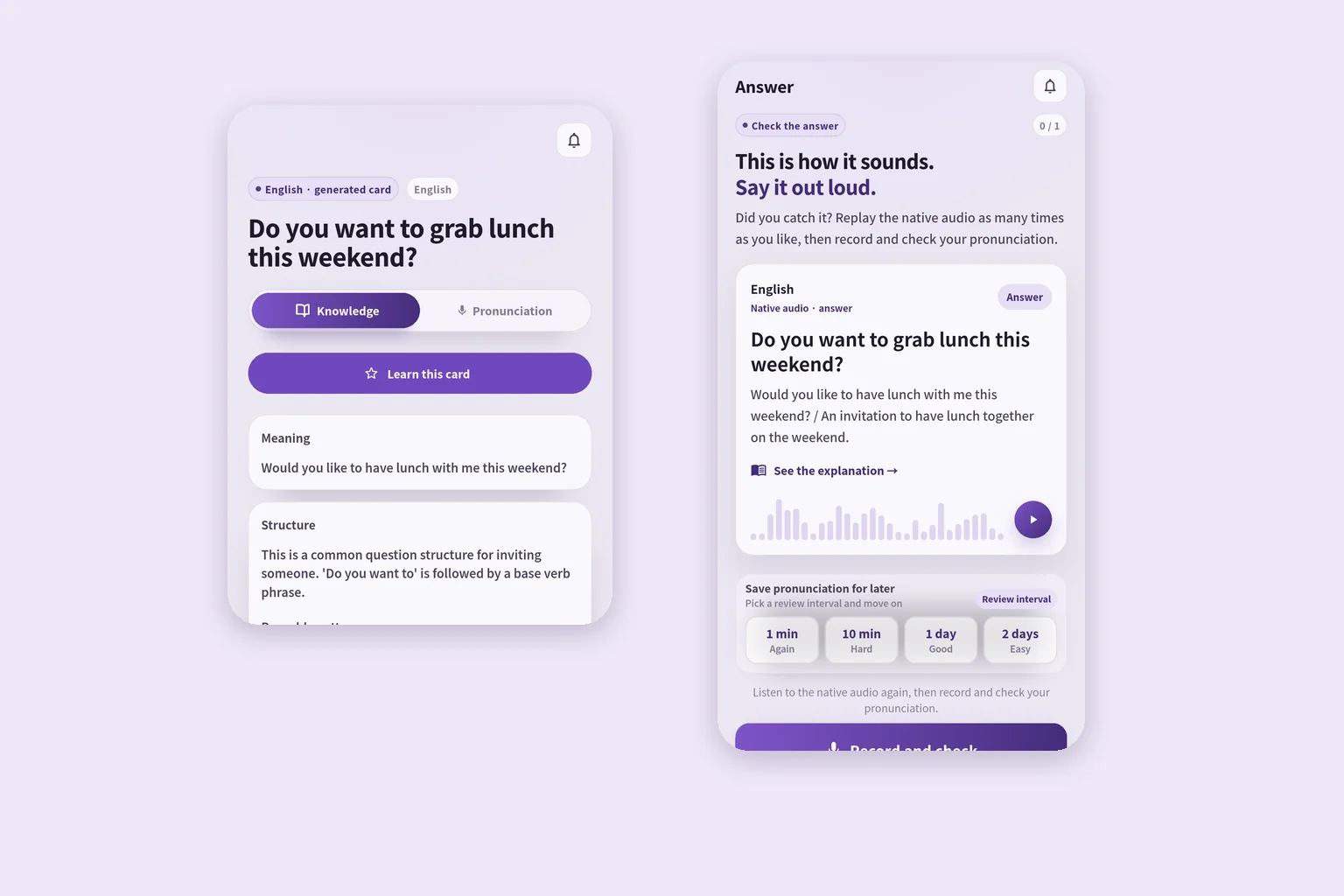
The official Friends clip has automatically generated English captions and plays in Japan as checked on 25 September 2026. Turn on English captions. Note who spoke, what they wanted to do about the apartment, and one short reply you might use. The player loads only after you press its button.
If the exchange is interesting but reading captions takes all your attention, try a familiar episode. If you can explain it and want another scene, continue. You can also compare the official apartment clip.
Try the first episode
Start with characters or a story you know. Watch for what each person wants. Mark only a plot-critical point or one line you would use; a timestamp is enough. Later, replay that scene with English captions and match the sound to the words. The movie study guide explains the same pause-and-review decision for films.
Make one line your own
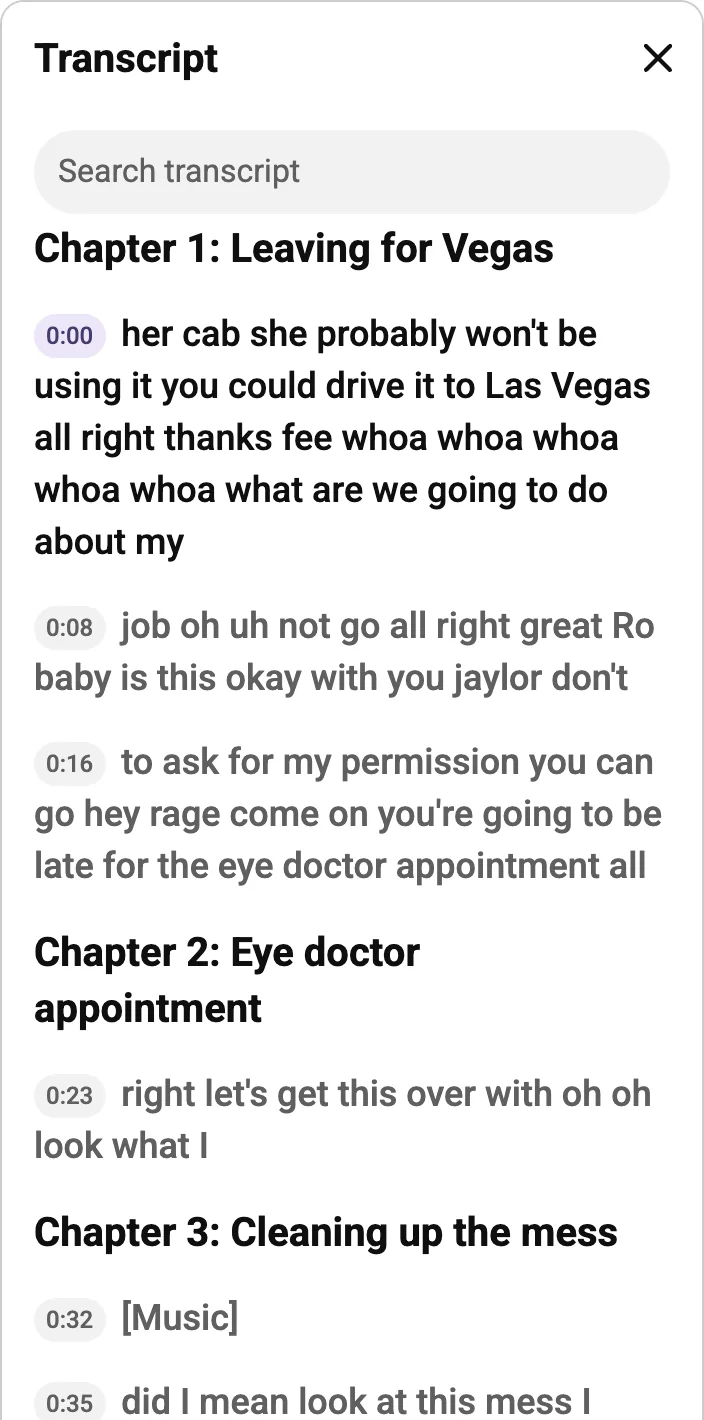
Record the sentence, its meaning, and who said it to whom. Listen again, then say it with someone in your own life in mind. In SpeakGain, register a line you found or translate something you want to say. The example card says Do you want to grab lunch this weekend? Check its meaning and the “Do you want to + verb phrase” pattern, then say it as an invitation. You can choose from 15 character voices.
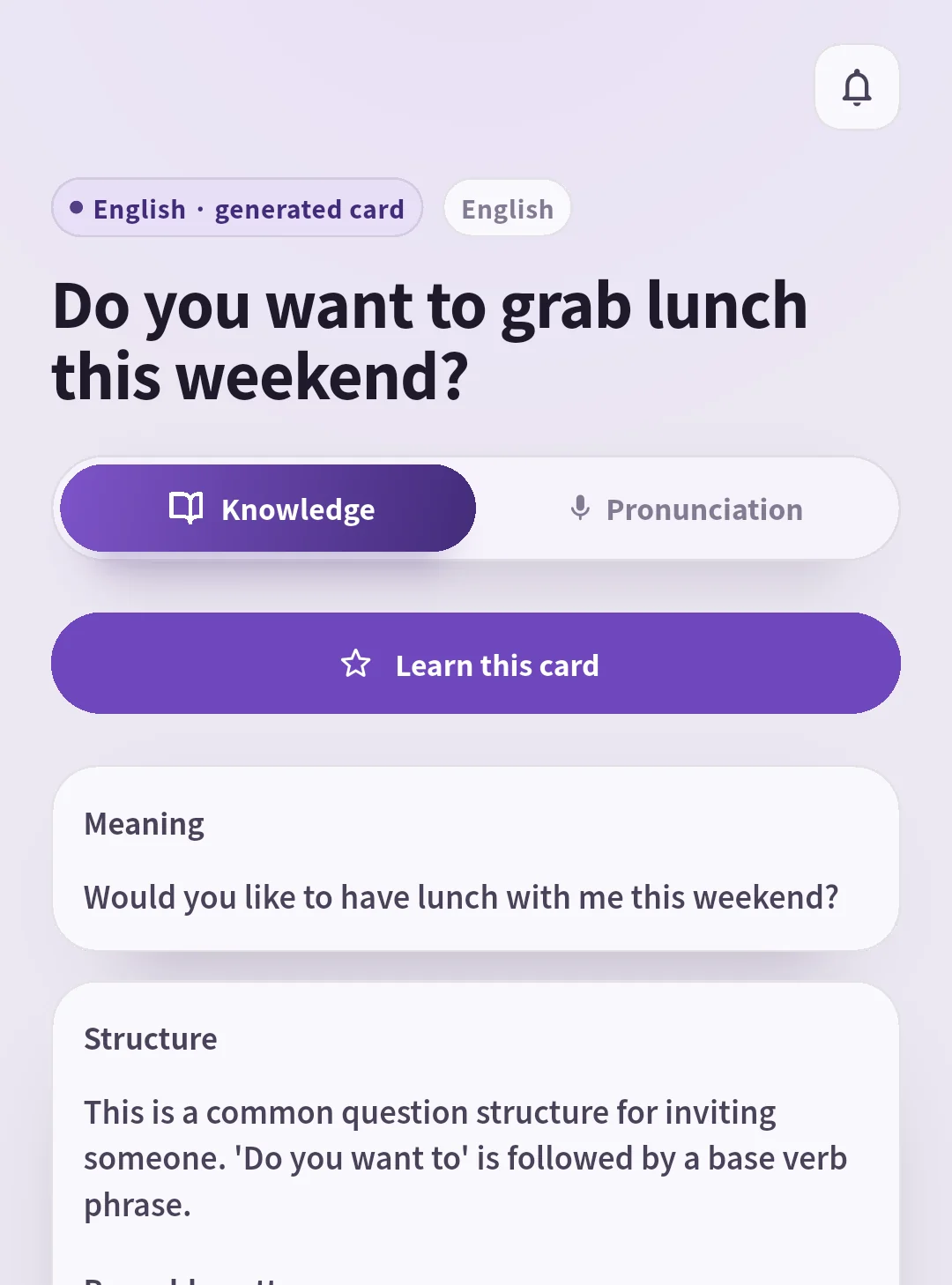
Later, open its FSRS-based review card. Recall the lunch invitation before reading the answer, then listen and choose the button that matches how well you remembered it.
Frequently asked questions
Can I choose a series without English captions?
Yes, if you want the story. To match sound to a written sentence, find another episode or official clip with English captions. You can learn the plot in your language, then return to a short English-captioned scene.
Should beginners watch Friends without captions?
No need to make that a rule. Try one minute with English captions. If you lose the purpose of the exchange, learn the plot first or switch to a familiar scene.
Which service has these shows?
Availability and audio/caption options change by region, subscription, and date. Check the show page and playback menu before subscribing.
In short
Start with the conversation you need. Try the six checks on a one-minute official clip. Choose the series whose exchange you can explain and whose next scene you want to see.
Sources
- Official Friends YouTube channel, clip and caption check, 25 September 2026.
- What is SpeakGain?, card, voice, and review features.
If animation is also on your list, check our five selection conditions and one-scene practice before choosing by popularity alone.